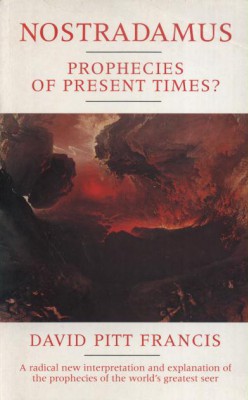
Book description
Michel de Notredame (1503-1566) and the obscure prophecies of his Centuries, the first of which were published in 1555, exert as powerful a fascination today as they have for nearly 500 years on millions of readers all over the world.
The range and accuracy of Nostradamus’s insight appear astonishing. It is claimed that he predicted, among other things, the French Revolution and the imperial rule of Napoleon, the rise of Hitler and the bombing of Hiroshima, the appearance of Mikhail Gorbachev and the crisis in the Middle East. But how much faith can we put in such interpretations? Are commentators justified in assigning specific identifications to the deliberately oblique language of the Centuries? And do Nostradamus’s „fulfilled” predictions give credence to his vision of apocalyptic events at the end of the twentieth century?
This is the first book to address itself critically to such questions. Through detailed historical and statistical analysis, Dr Pitt Francis argues that most of the fulfilments identified by interpreters can be accounted for by five key factors, although there still remains a core of prophecies that do seem to defy rational explanation. For the first time, too, Nostradamus’s relationship to the traditions of biblical and millenarian prophecy is clearly established and a convincing theoretical model is put forward to explain how Michel de Noredame achieved his reputation as the greatest seer of all time.