Book description
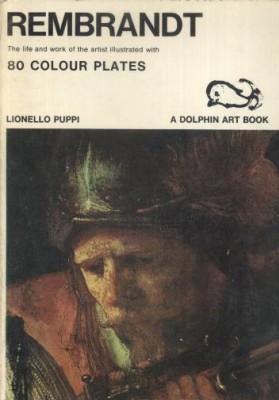
In an age when painters tended increasingly to specialize, Rembrandt towered over his contemporaries in the breadth of his creative powers. Even in the early works which he painted in Leiden, we already see the bold realism and deep understanding of character whih were to be the hallmarks of his genius. After he had settled in Amsterdam in 1631, he became the leading portrait painter in the city, successfully reconciling his own expressive aims with the stylistic formality which his rich sitters required.
Sadly, the development of his gifts was to diminish his worldly success. After his wife’s death in 1642, Rembrandt became more and more a recluse, neglecting current artistic conventions in his passionate determination to render the essence of an individual, an episode or a scene. The consequent loss of commissions reduced him to near poverty in his last years – years which nevertheless drew from him some of his supreme masterpieces of of portraiture (including self-portraiture), religious painting and landscape. Rembrandt’s great example inspired a host of pupils and fellow artists; but the Shakespearian universality and humanity of his work have never since been matched.