
Book description
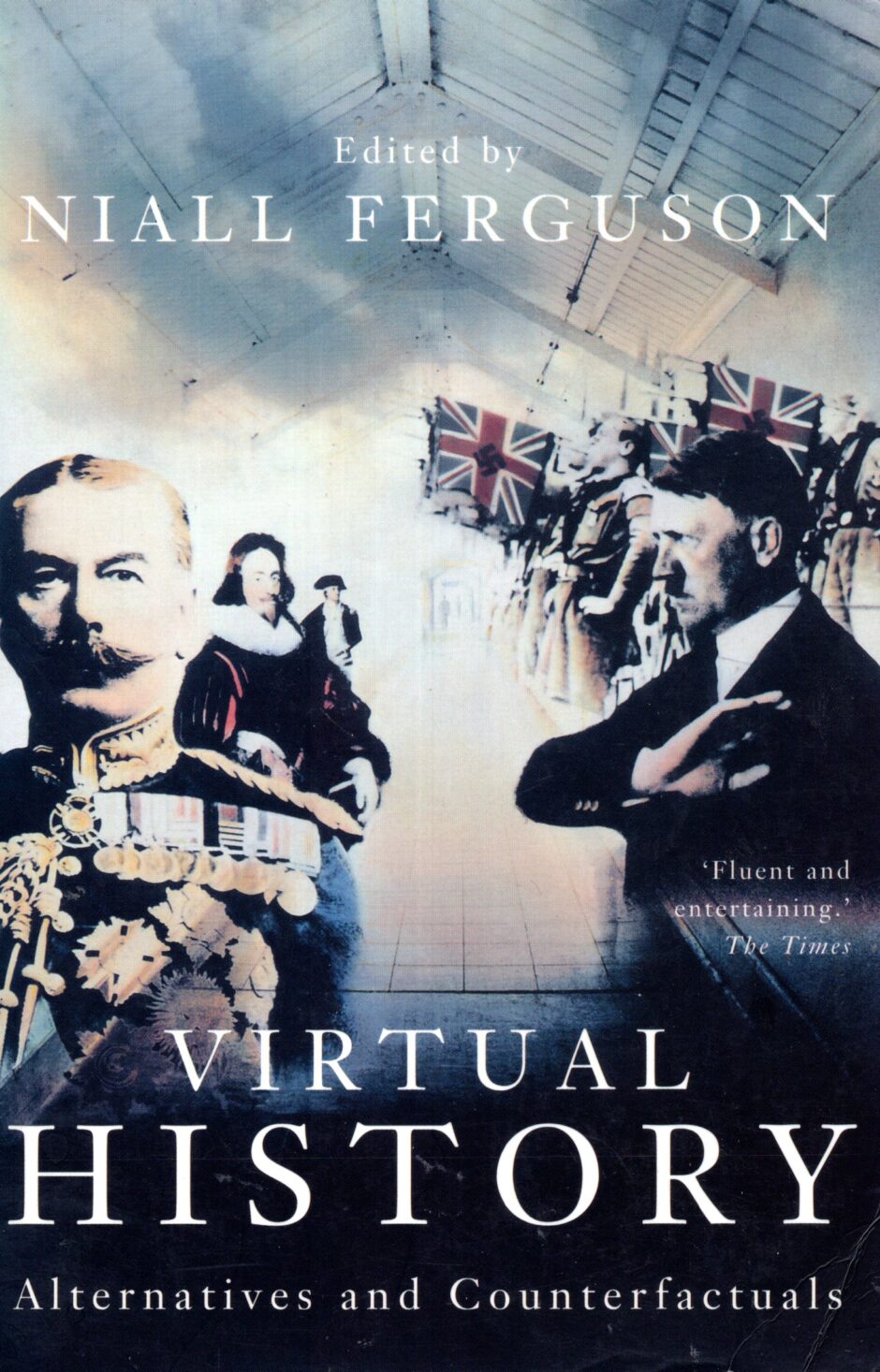
Ferguson – Virtual History – książka po angielsku
Opis książki po polsku
Co by się stało, gdyby historia potoczyła się inaczej? Czy świat wyglądałby dziś inaczej, gdyby nie doszło do amerykańskiej wojny o niepodległość? Co, gdyby Wielka Brytania pozostała poza I wojną światową, nazistowskie Niemcy pokonały Związek Radziecki, a John F. Kennedy przeżył zamach? Na te i wiele innych pytań próbują odpowiedzieć autorzy esejów zebranych w książce pod redakcją Nialla Fergusona.
Virtual History to zbiór analiz historycznych opartych na metodzie historii kontrfaktycznej, czyli rozważaniu alternatywnych scenariuszy wydarzeń z przeszłości. Dziewięć esejów poświęconych przełomowym momentom historii pokazuje, jak decyzje polityczne, przypadek i niewielkie zmiany w przebiegu wydarzeń mogły wpłynąć na losy państw i całego świata. Ferguson poprzedza je obszernym wprowadzeniem, w którym wyjaśnia metodologię i znaczenie takiego podejścia do historii.
To propozycja dla czytelników zainteresowanych historią, polityką i geopolityką, a także dla tych, którzy lubią analizować alternatywne wersje znanych wydarzeń. Książka łączy akademicką refleksję z fascynującymi pytaniami o to, jak bardzo współczesny świat zależy od pojedynczych decyzji i historycznych zbiegów okoliczności.
Opis książki po angielsku
What if history had taken a different course? What would the world look like if the American War of Independence had never happened, Britain had stayed out of the First World War, Nazi Germany had defeated the Soviet Union, or John F. Kennedy had survived the assassination attempt? These are among the questions explored by a distinguished group of historians in this collection edited by Niall Ferguson.
Virtual History examines nine pivotal moments in modern history through the method of counterfactual analysis: the systematic exploration of plausible alternative outcomes to actual historical events. The essays consider how political decisions, individual choices and historical contingencies might have reshaped nations and the wider world. Ferguson’s substantial introduction provides a defence of counterfactual history as a serious historical method, rather than mere speculation.
Combining scholarly analysis with thought-provoking alternative scenarios, this book will appeal to readers interested in modern history, politics and international relations. It offers a fresh perspective on the forces that shape historical events and challenges readers to reconsider how inevitable the course of history really was.


